-
7284 W Palmetto Park Rd, Suite 101, Boca Raton, FL 33433
Our Email : drcarolparas@gmail.com
7284 W Palmetto Park Rd, Suite 101, Boca Raton, FL 33433
Our Email : drcarolparas@gmail.com



Recent evidence is revealing that GLP’s 1’s are a mixed blessing. To date ( WSJ- 1/31/26) 18 % of U.S adults have taken one. The medications, powerful and effective while taking them, are unlikely to be affordable and covered by insurers for a long time. They may not be safe to take over the long haul ( unless a person has diabetes), and stopping GLP 1’s leads to rebound weight gain of 50 – 100 % over 6 -12 months. The weight gain is greater and more rapid than when one stops dieting and exercise ( after a similar loss). In fact, one may gain more weight than they have lost.
Why? Well, the beneficial effects of GLP 1’s are not permanent. Also, when one is essential eating under 1000 calories a day, they are in starvation mode. The meds block what would be the usual response to starvation ( increased hunger and normalization of weight). Without the meds, there is a rebound of appetite, while the bodies’ metabolic remain remains low and lags behind. Taking in 1500 calories may be like taking in 2000 calories, because the body’s metabolic rate is lower than normal.
A recent study in the British Medical Journal examined 37 studies on GLP’1’s. The rate of regaining weight after stopping GLP 1’s is four times as great as the weight regained after having lost it with behavioral changes.
These meds are not a panacea. They may be useful in getting the weight loss process going, but one has to prepare for doing without them at the outset of the treatment. A plan should include eating more protein, increasing exercise, stress reduction, and reducing any behavioral cues or emotional triggers for eating. Many people need support and therapy to change the lifelong eating patterns that led to their weight gain There may be more personalized lifestyle changes necessary. One might also consider transferring to other weight/appetite control drugs such as Phentermine, Contrave or Qysmia after coming off of GLP 1’s.
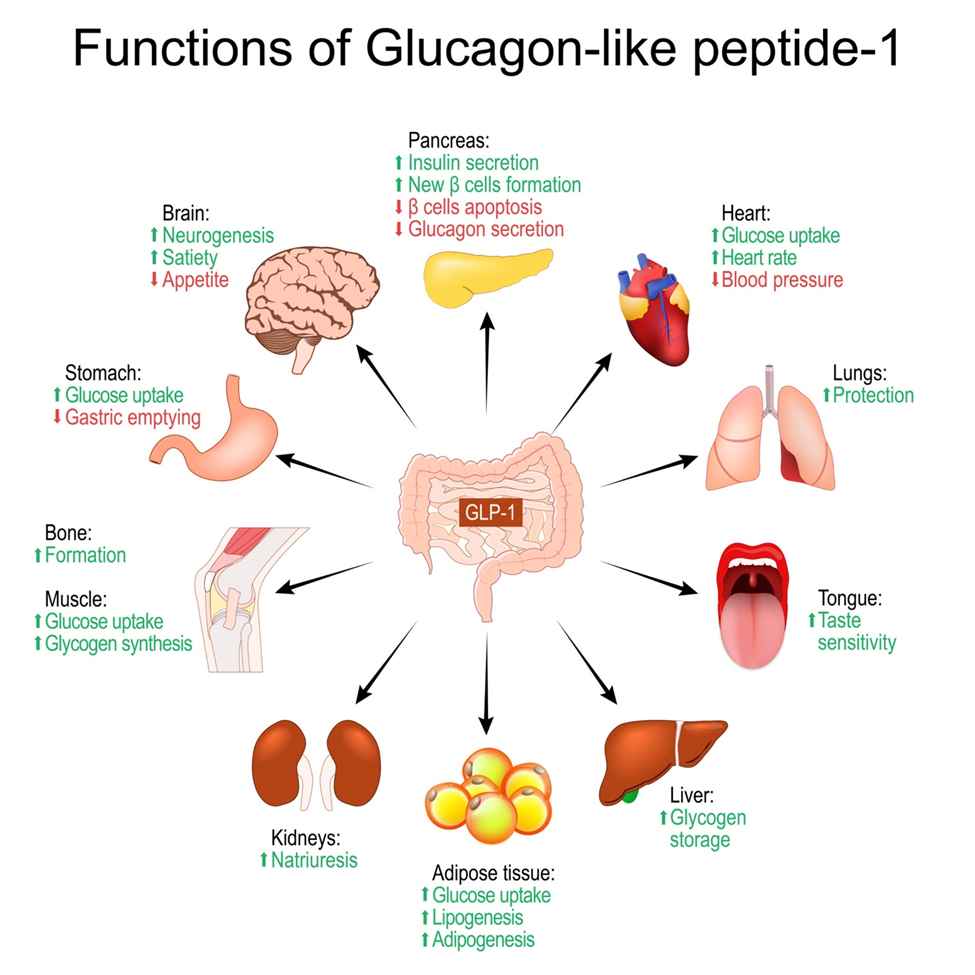
This matters clinically. The loss of appetite quieting can feel like losing a mental safety net.
GLP-1s do not permanently reset weight regulation systems.
When the signal stops, the system returns to baseline—often with rebound pressure.
Are there ways to stop without as much rebound?